

The Rise of AI in Bali’s Digital Landscape
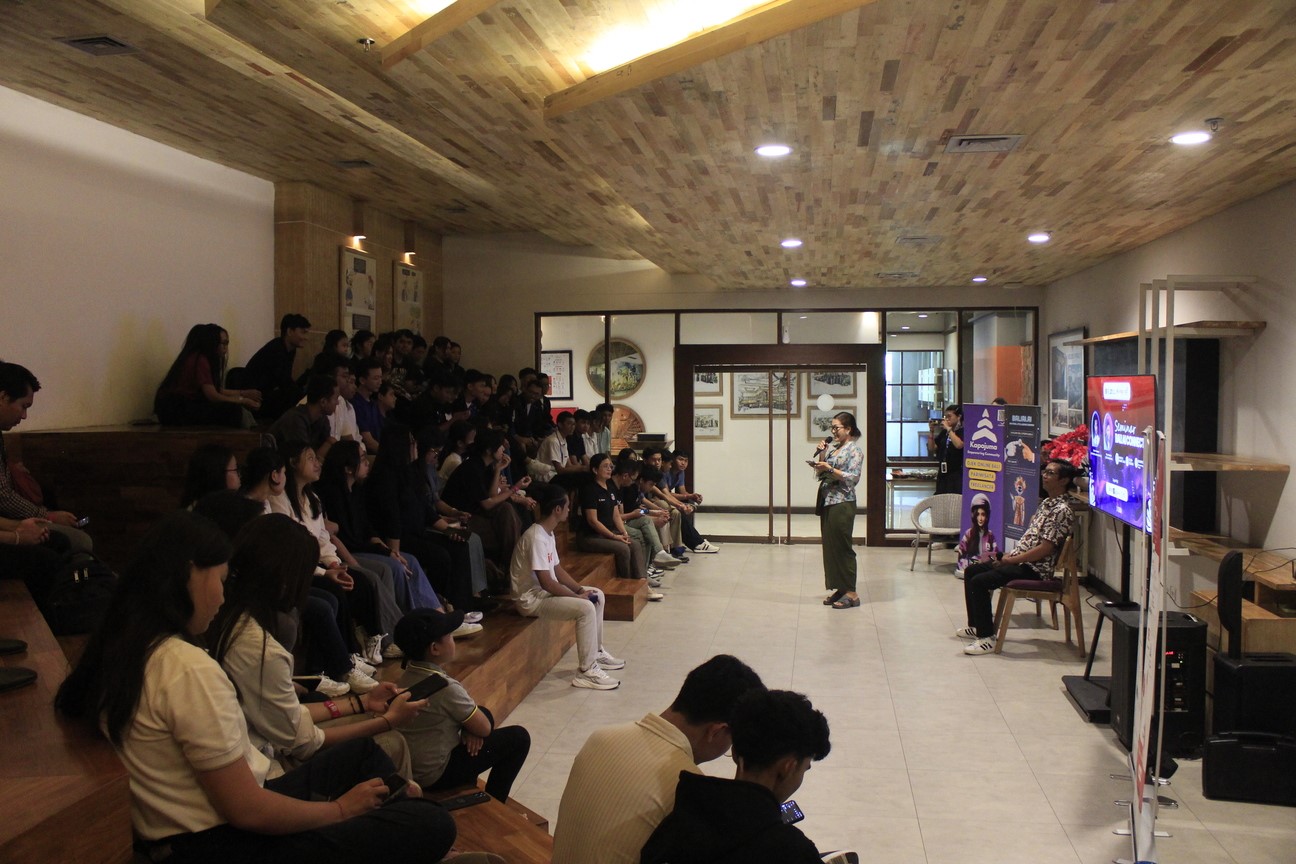
On a humid Saturday afternoon, the DNA Art & Creative Hub in Denpasar buzzed with anticipation. Entrepreneurs, tech enthusiasts, and students gathered under the banner of Bali AI Connect, a seminar designed to bridge the gap between Indonesia’s growing artificial intelligence (AI) ecosystem and the wider global AI community. With keynote speakers like Daniel Santoso, Founder of Alpha Digital, and Fian Febrian, CEO of Maleo AI, the event sought to unravel the complexities of AI adoption, its potential, and the challenges ahead.

The seminar was part of the larger Denpasar Teknologi Informasi dan Komunikasi Festival (D’TIK Fest) 2025, a city-led initiative fostering digital transformation. In his opening remarks, Denpasar’s Deputy Mayor, I Kadek Agus Arya Wibawa, emphasized the festival’s vision, rooted in the Sanskrit principle of Vasudhaiva Kutumbakam—“The world is one family.”
“In its 13th year, D’TIK Fest has become a platform for collaboration, education, and the promotion of technology as a catalyst for sustainable development in Denpasar,” he stated during a press conference at Dharma Negara Alaya.
AI Adoption in Indonesia: The Accelerating Curve
Fian Febrian, known for his work in AI-driven business solutions, wasted no time in laying out the reality of AI adoption across industries.

“By January 2024, 42% of major companies had integrated AI into their operations,” he noted, highlighting the exponential growth of AI adoption. “This reflects the speed at which digital transformation is happening, reshaping various industries.”
He outlined practical examples, such as how AI is revolutionizing insurance claim processes through automated image labeling and aiding the healthcare sector with deep learning models for disease classification.
Yet, Febrian pointed out a more profound shift—one that extends beyond automation. “The future of work will be shaped by a globally connected talent market. Emotional intelligence and continuous learning will be critical for success. AI is not just about replacing jobs; it’s about creating new opportunities that are more dynamic and inclusive.”
Between Innovation and Limitations: The AI Paradox
Daniel Santoso took a more philosophical approach, diving into the historical trajectory of AI. “From the 1950s to today’s Large Language Models (LLMs) like GPT-4 and Claude 3, AI’s evolution has been remarkable,” he explained. “But at its core, AI still operates on pattern recognition rather than true understanding.”

He pointed out an inherent limitation: “Current machine learning trends focus more on curve-fitting than on deep conceptual comprehension. AI can analyze vast amounts of data, but it lacks human-like reasoning and emotional nuance.”
This sentiment underscored an ongoing debate in AI ethics—how much should we trust machines in making decisions that require human judgment? While AI excels in data-driven environments, the need for human oversight remains paramount, particularly in fields requiring ethical reasoning, such as law and healthcare.
Indonesia’s AI Potential: Beyond the Tech Industry
Although AI adoption in Indonesia is still in its early stages, its potential is undeniable. The speakers collectively emphasized that AI should not remain confined to corporate applications but should serve broader societal needs, from agriculture to education.
“With the right infrastructure, AI can drive efficiency in farming, enhance learning experiences in classrooms, and accelerate economic growth,” Santoso remarked. “It’s about leveraging technology for collective progress.”
D’TIK Fest 2025 reinforced this vision by incorporating diverse initiatives such as Mandala Blockchain Academy, Coding Academy, and creative competitions like e-Sports and video contests highlighting village potential. These activities sought to foster a thriving digital ecosystem in Denpasar, where local startups, government agencies, and academic institutions could collaborate.
Indigo AI Connect: A Long-Term Commitment to AI Literacy
One of the most exciting announcements came from Indigo Space Bali. Representing the initiative, Indra Puspita shared her enthusiasm:
“This is the first time we’ve hosted an AI-focused event, and it’s just the beginning. Indigo AI Connect will run throughout 2025 in multiple cities across Indonesia, offering mentorship and AI literacy programs.”
She extended an open invitation to stakeholders interested in AI education. “We want AI to be accessible, not just to developers but to the broader community. Anyone seeking AI literacy can reach out to Indigo AI Connect Bali.”
The Road Ahead
As the seminar concluded, it was evident that Bali is poised to become a significant player in Indonesia’s AI journey. The enthusiasm, collaboration, and forward-thinking discussions at Bali AI Connect reflected a growing recognition of AI’s transformative power.

However, as both Febrian and Santoso cautioned, AI’s evolution must be accompanied by ethical considerations and continuous human involvement. The challenge ahead lies not just in harnessing AI’s potential but in ensuring that it remains a tool for empowerment rather than displacement.
With initiatives like D’TIK Fest 2025 and Indigo AI Connect, Denpasar is setting a precedent—one where technology and humanity move forward together, shaping an inclusive and innovative future for all.